
Balanced Nutrition Through Home Cooking
Discover how preparing meals at home transforms your relationship with food, empowers you with ingredient control, and builds sustainable healthy eating habits that last a lifetime.
Complete Ingredient Control
You decide every ingredient that enters your body. Know exactly where your food comes from, what it contains, and how it's prepared—no hidden additives, no processed surprises.
Nutrient Preservation
Home cooking methods protect heat-sensitive vitamins and minerals far better than industrial processing. Fresh ingredients prepared with care retain their nutritional value and natural flavor complexity.
Personalized Nutrition
Adapt recipes to your unique preferences and needs. Balance macronutrients, adjust seasoning, control portions, and create meals that align with your lifestyle without compromising taste or satisfaction.

Pro Tip: Fresh herbs added at the end of cooking preserve more of their volatile oils and nutritional compounds.
The information on this site is for educational purposes only and does not constitute medical advice. Always consult a qualified healthcare professional before making health decisions.
Why Home Cooking Makes a Difference
Explore the science and practical benefits behind preparing your own meals
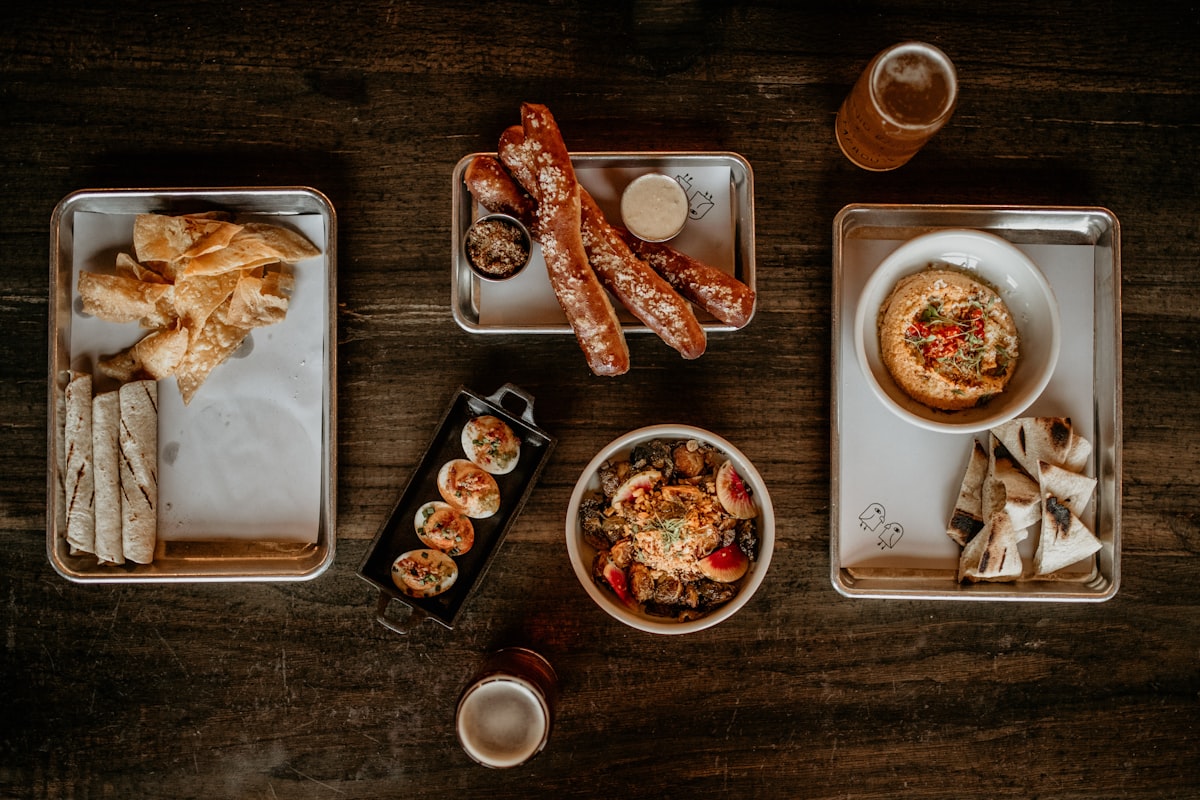
Enhanced Food Awareness
When you cook, you develop an intimate understanding of ingredients—their textures, flavors, seasonality, and how they transform during preparation. This awareness naturally leads to better food choices and more mindful eating patterns.
Flavor Through Quality, Not Processing
Home cooking achieves depth of flavor through natural ingredient combinations, proper cooking techniques, and time—not through artificial flavoring agents, excess sodium, or chemical preservatives. Your palate becomes more sophisticated and satisfied with less.
Cost-Effective Long-Term Strategy
Bulk buying of whole ingredients, seasonal produce selection, and planned meal prep significantly reduce per-serving costs compared to processed foods and restaurant meals. You invest in health while managing your budget effectively.
Stress Reduction and Mindfulness
The cooking process itself offers meditative benefits—chopping, mixing, observing flavors develop. Many people find meal preparation reduces stress and creates a meaningful ritual that grounds daily wellness practices.
5-Step Guide to Nutritious Meal Prep
Transform your kitchen routine with these proven strategies
Plan Your Meals
Write down your meals for the week, considering available produce, seasonal ingredients, and nutritional variety. A simple list prevents impulse decisions and ensures balanced eating throughout the week.
Shop Intentionally
Visit farmers markets or grocery stores with your list. Select fresh, colorful vegetables, quality proteins, and whole grains. Talk to vendors about ripeness and storage to maximize freshness throughout your week.
Prepare Base Components
Wash, chop, and lightly cook foundational elements like grains, beans, and roasted vegetables. Store them separately so you can mix and match throughout the week for variety without daily cooking time.
Cook with Technique
Use methods that preserve nutrients—steaming, light sautéing with quality oils, roasting at moderate temperatures. Avoid prolonged boiling of vegetables and pair cooking times with ingredients appropriately.
Store Properly
Use airtight glass containers to maintain freshness. Label with dates and store components separately until meal assembly. Proper storage extends freshness and prevents flavor mixing that can lead to waste.
Gallery of Home Kitchen Setups
Inspiring spaces where balanced nutrition comes to life
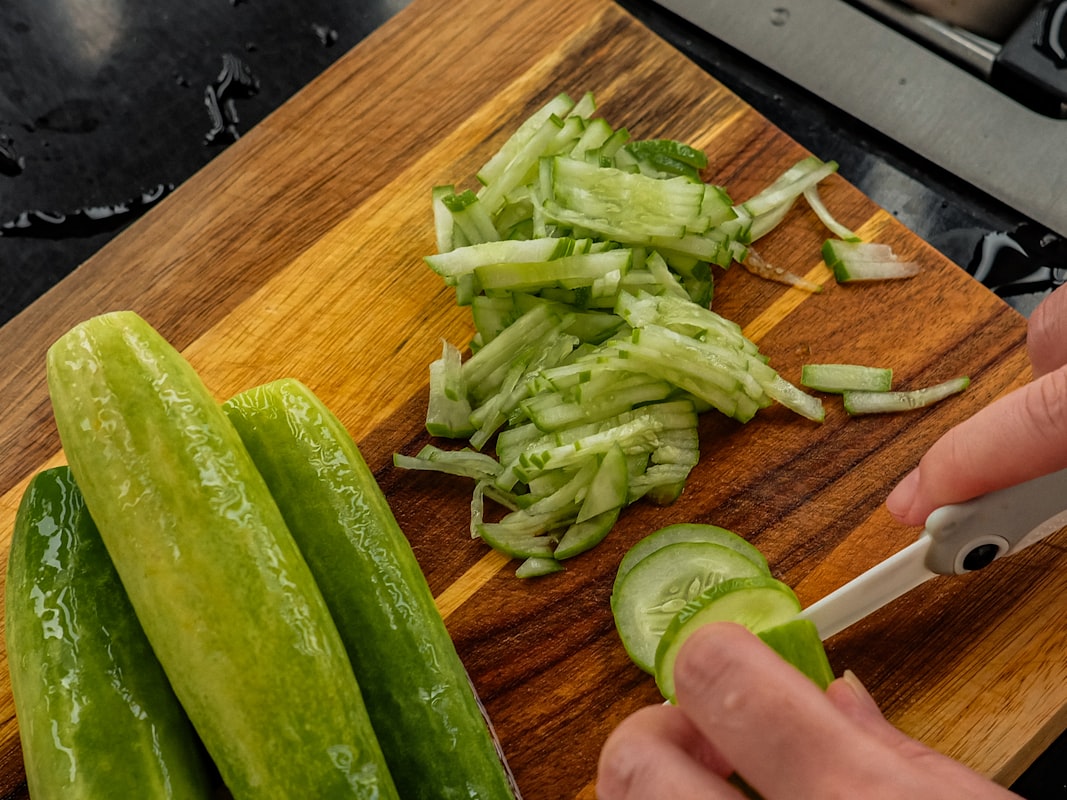
Organized Pantry
Clear containers and proper labeling make meal prep efficient and encourage ingredient awareness throughout your cooking week.
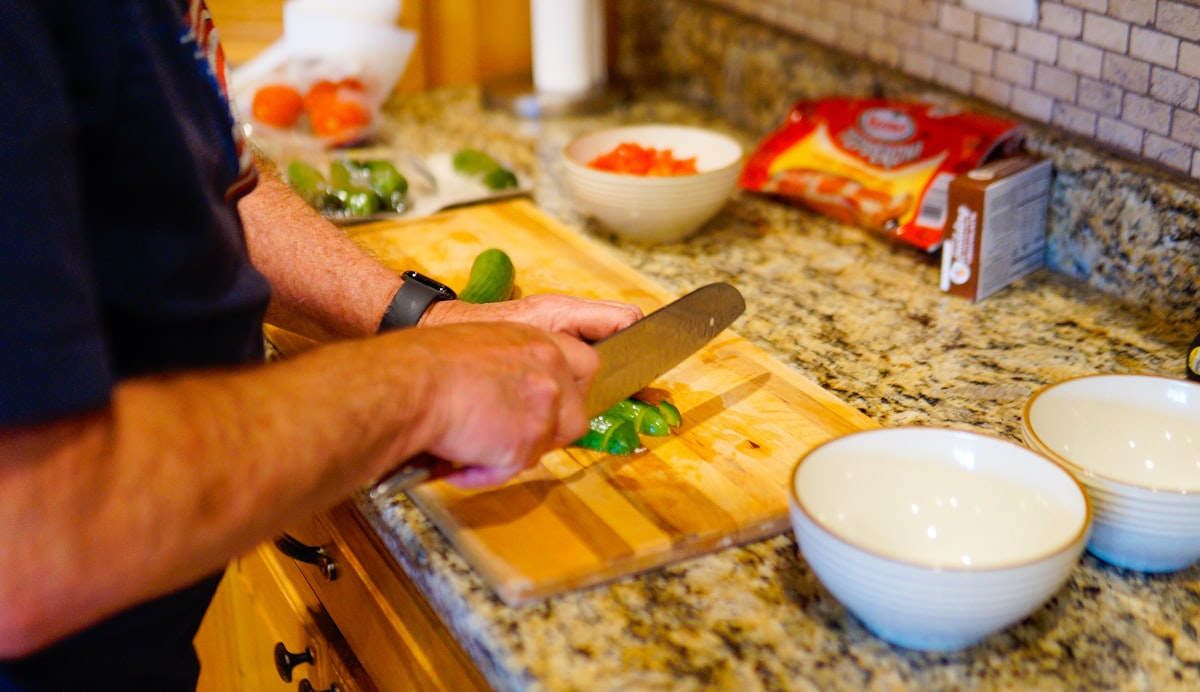
Fresh Herb Garden
Growing basil, parsley, and mint at home ensures peak freshness for garnishes and provides microdoses of nutrient-dense plants.

Prep Station
Dedicated workspace with proper tools makes meal preparation faster, safer, and more enjoyable for regular home cooks.

Smart Storage System
Strategic refrigerator organization with labeled containers keeps prepared components fresh and visible for quick meal assembly.

Cooking Area
Clean, well-lit cooking space with quality equipment enables precise technique and makes the cooking process more enjoyable daily.
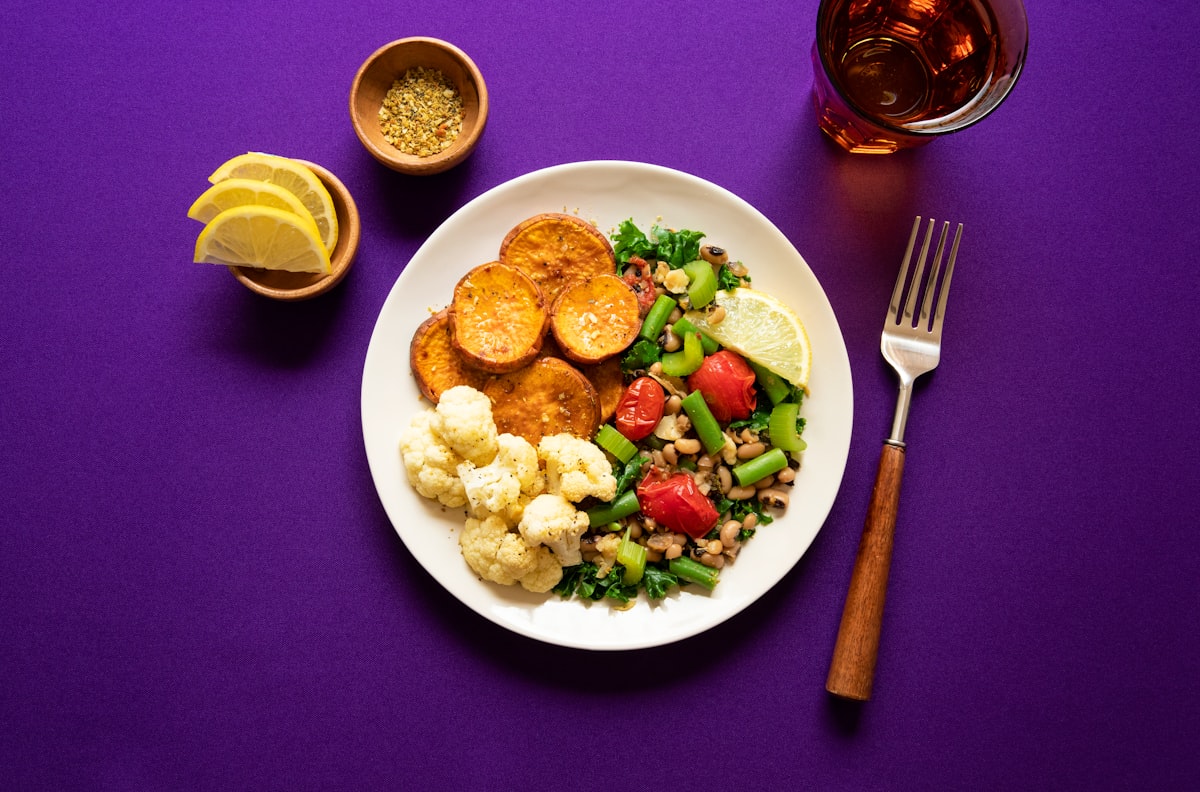
Dining Experience
Thoughtfully plated home meals encourage mindful eating and transform nutrition from obligation into enjoyable daily ritual.
Essential Kitchen Tools for Healthy Cooking
Invest in equipment that supports balanced meal preparation
Sharp Chef's Knife
A quality 8-inch chef's knife handles 90% of cutting tasks. Sharp knives make precise cuts that preserve cell integrity in vegetables, maintaining nutrient density and reducing browning during storage.
Stainless Steel Cookware
High-quality pots and pans distribute heat evenly, preventing nutrient-damaging hot spots. Stainless steel doesn't leach chemicals and lasts decades, making it the best long-term investment for daily cooking.
Steaming Equipment
Bamboo steamers or steaming baskets preserve more nutrients than boiling. Steaming vegetables in short bursts locks in water-soluble vitamins and maintains vibrant colors, flavor, and texture without nutrient loss.
Glass Storage Containers
Glass containers preserve food quality without chemical leaching. Airtight glass keeps prepared components fresh longer than plastic, maintains flavor integrity, and allows visibility for better inventory management throughout the week.
Mortar and Pestle
Grinding spices and seeds fresh releases essential oils and volatile compounds that oxidize quickly in pre-ground forms. A stone mortar and pestle preserves nutrition and intensifies flavor naturally without additives.
Quality Blender
A high-speed blender enables smoothies, soups, and sauces that combine whole ingredients. Making your own nut butters, plant-based milks, and dressings eliminates added oils, sugars, and preservatives found in commercial versions.
The Impact of Home-Cooked Meals
Qualitative benefits that transform your relationship with nutrition
Improved Energy Levels
Balanced, whole-food meals without processed ingredients provide sustained energy throughout the day without energy crashes.
Better Mental Clarity
Nutrient-dense home cooking supports cognitive function and emotional balance through quality fuel for your brain.
Enhanced Physical Performance
Properly balanced macronutrients and micronutrients support athletic performance and physical endurance naturally.
Greater Satisfaction
Home-cooked meals eaten mindfully create psychological satisfaction that extends beyond basic nutrition.
Real Stories from Our Community
How home cooking has transformed nutrition routines
"I started meal prepping at home three months ago, and the difference is remarkable. I have consistent energy throughout the day, my digestion improved noticeably, and I actually enjoy cooking now. The control I have over ingredients is empowering—I know exactly what I'm eating."
Elena Popescu
Brașov
"My whole family adopted the home cooking approach. We spend less money than we did buying processed foods, but the meals taste infinitely better. My kids are more curious about ingredients now, and we've built this meaningful ritual around preparing meals together."
Mihai Constantinescu
Sibiu
"As someone who struggled with feeling sluggish, switching to balanced home-cooked meals was transformative. The learning process was enjoyable—understanding how different foods affect my body made me a more intentional eater. I feel like I'm actually nourishing myself."
Anca Marinescu
Cluj-Napoca
Common Questions About Balanced Home Cooking
Answers to help you start your home cooking journey
How much time should I dedicate to meal prep each week?
Most people find that 2-3 hours of focused meal prep on one day—washing, chopping, cooking base components—significantly reduces daily cooking time for the rest of the week. Start with whatever feels manageable and adjust as you develop efficiency. Even 30-45 minutes of daily cooking plus occasional batch preparation creates substantial health benefits.
Which cooking methods preserve nutrients best?
Steaming, light sautéing with quality oils, roasting at moderate temperatures (below 200°C), and minimal boiling preserve the most nutrients. Avoid prolonged cooking, high heat with delicate vegetables, and reheating multiple times. Pair cooking methods with ingredients—delicate greens need less heat than root vegetables.
What if I don't know how to cook?
Start simple—roasted vegetables, boiled grains, grilled proteins are excellent entry points. Use pre-cut vegetables, frozen options, and one-pot meals to build confidence. YouTube tutorials, cooking apps, and simple recipe blogs (like ours!) provide step-by-step guidance. Cooking is a learnable skill—start with 3–4 recipes and master them before expanding.
How do I meal prep efficiently?
Dedicate 2–3 hours on a weekend to wash, chop, and cook base ingredients (grains, proteins, roasted vegetables). Store them in glass containers in the fridge (3–5 days) or freezer (up to 3 months). Assemble different combinations throughout the week for variety without daily cooking. Invest in quality storage containers to maintain freshness and organization.
Can I eat healthy on a tight budget?
Absolutely. Buy seasonal produce, frozen vegetables and fruits, dried beans and lentils, whole grains in bulk, and affordable proteins like eggs and canned fish. Reduce food waste by planning meals before shopping and using all parts of ingredients. Shop sales, use coupons, and consider store brands. Nutritious eating doesn't require expensive superfoods—whole foods are always affordable.
What's the difference between "healthy" and "nutritious"?
"Healthy" is marketing jargon—often applied to processed foods with added sugars or artificial ingredients. "Nutritious" means genuinely nourishing: whole foods rich in vitamins, minerals, fiber, and protein with minimal processing. At Nutritiouslydelicious, we focus on truly nutritious foods that fuel your body, not marketing claims.
What Our Community Says
"Nutritiouslydelicious transformed how I shop and cook. The tips on meal prep saved me hours every week, and I finally feel energized throughout the day!"
— Sarah M., London
"As someone with limited cooking experience, these guides made nutrition accessible and fun. I'm actually excited about cooking now!"
— James T., Manchester
"The budget-friendly advice helped me eat better without breaking the bank. Quality nutrition shouldn't be a luxury!"
— Emma R., Birmingham